
PhBingo Game - Jueteng and the Filipino Gambling Culture
A deep dive into Jueteng, an illegal numbers game, focusing on its social implications and a look at alternatives such as the PhBingo Game in the Philippines.
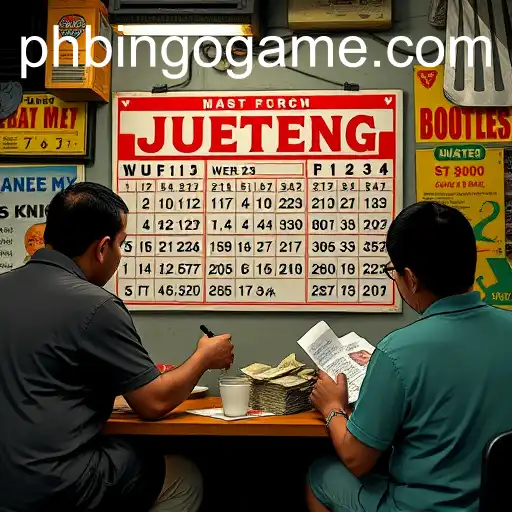
Understanding Jueteng: The Underbelly of Filipino Gambling Culture
Jueteng, an infamous numbers game, is deeply entrenched in the gambling culture of the Philippines. Despite being illegal, it thrives across the nation's various provinces, fueled by intricate networks that evade law enforcement and continue to captivate the local populace. At the forefront of the country's complex gambling landscape, Jueteng is more than just a game; it represents a socio-economic phenomenon reflective of the country's ongoing struggles and societal dynamics.
What is Jueteng?
With its roots tracing back to the Spanish colonial period, Jueteng is a local Filipino number game ingrained in the daily life of many citizens. The term originates from the Spanish word “jugar” meaning to play, and the Hokkien word “teng” which translates to flowers, metaphorically relating to the numbers drawn at random. It is primarily a betting game where participants choose a pair of numbers from 1 to 37. Winning numbers are determined randomly, often using preselected sequences for the daily draw.
The Mechanics of Play
The mechanics of Jueteng are simple yet intriguing. Players select their preferred pair of numbers, often based on dreams, daily occurrences, or superstitions. They then place bets with a local scheduler known as a ‘kubrador’, responsible for collecting wagers and recording player choices. The odds differ per play, and a win can result in significant rewards compared to the initial wager placed, which attracts individuals from various economic backgrounds.
The draw gets conducted by a ‘cobrador’ who works with ‘kabo’ (district supervisors) managing different localities. Numbers are typically drawn twice a day, giving participants ample opportunity to engage in the game regularly.
The Socio-Economic Impact of Jueteng
Jueteng has matured into a profound cultural force, deeply integrated into community life across rural and urban regions. Its economic footprint is immense, with substantial sums circulating informally outside the regulatory frameworks of tax and legal operators. For many Filipinos, participating in Jueteng emerges as an accessible venture to improve their financial standing, making it alluring to both the impoverished and financially unstable members of society.
This prevalence underscores a broader socio-economic dilemma where legitimate employment opportunities are scarce, urging individuals to turn to informal sectors to sustain livelihoods. In rural areas, Jueteng also establishes a pseudo-economic system where the winnings often circulate back into community needs, creating dependencies that are challenging for external economies to replicate or replace.
The Legal Ambiguity and Challenges
Despite numerous efforts to stamp out Jueteng through legal means, it continues to flourish, masked by corruption and institutional weaknesses. Law enforcers and local officials are often entangled in controversies where their roles either directly or indirectly endorse the sustenance of Jueteng operations.
This widespread acceptance of illicit activities poses a significant challenge to law enforcement authorities, making eradication efforts difficult. The appeal of Jueteng, fueled by its promise of riches and the economic void it fills, often overcomes the unfocused and under-resourced initiatives of enforcement agencies. The omnipresence of Jueteng reflects larger governance issues, highlighting the disconnect between policies at the national level and their on-ground implementations.
Comparisons with State-Sanctioned Lotteries
Interestingly, the dynamic between Jueteng and the state-sanctioned lotteries, such as the Philippine Charity Sweepstakes Office's ‘Lotto’, showcases a fascinating dichotomy. While state lotteries aim to streamline gaming activities and fund public projects, Jueteng continues to overshadow these legal efforts, often due to its informal nature and deep-rooted trust relationships within small communities.
The introduction of the PhBingo Game has been a notable milestone in the Philippines' quest to regulate and provide alternatives to illicit gambling. However, replacing the entrenched trust systems of Jueteng with formalized national games presents its challenges, notably in reaching remote areas and ensuring consistent winnings.
Conclusion
Jueteng is a vivid manifestation of the cultural, economic, and political complexities within the Philippines. It is a social construct rather than merely a gambling practice, embodying the broader societal challenges facing the nation today. Understanding its pervasive grasp necessitates a look into the historical, economic, and cultural facets that contribute to its unstinting resilience.








GOLD VIP
Minimum deposit: ₱1,500
- ✅ 150% bonus on all deposits
- ✅ Priority withdrawal in 1 minute
- ✅ 10% cashback weekly
- ✅ VIP support 24/7
- ✅ Higher betting limits
PLATINUM VIP
Minimum deposit: ₱6,000
- ✅ 200% bonus + all Gold benefits
- ✅ Instant withdrawal 24/7
- ✅ 15% cashback weekly
- ✅ Exclusive VIP table in casino
- ✅ Special event invitations
DIAMOND VIP
Minimum deposit: ₱30,000
- ✅ 300% bonus + all previous benefits
- ✅ Dedicated personal manager
- ✅ 20% cashback weekly
- ✅ Unlimited withdrawal limits
- ✅ Exclusive trips and gifts
🚀 Register NOW and Get ₱15,000 Bonus!
⏰ LIMITED TIME OFFER! Join over 1.2 million players who have already discovered why PhBingo Game is the #1 betting platform in the Philippines. Registration in 30 seconds, first withdrawal in 2 minutes!
💬 What our players say
"Best platform I've ever used! GCash withdrawal in 2 minutes, amazing support!"
- Carlos M., Manila ⭐⭐⭐⭐⭐
"Won ₱45,000 on Gates of Olympus! They paid everything correctly via GCash."
- Ana L., Cebu ⭐⭐⭐⭐⭐
"VIP system is amazing! I have a personal manager and cashback every week."
- Roberto S., Davao ⭐⭐⭐⭐⭐
PAGCOR License
SSL 256-bit
eCOGRA
BSP Approved